テーマ
制度種別
受講形態(京カレッジ)
科目コード
科目名
開講大学名
学内科目コード
学内科目名
連絡先
京都大学吉田キャンパス、吉田南構内
国際高等教育院棟1階 全学共通科目学生窓口
TEL:075-753-6511
担当教員
開講期間
4月14日(火)~7月21日(火)
5講時 16時45分~18時15分(毎週火曜日)
※試験期間:7月23日(木)~7月29日(水)
※フィードバック期間:7月30日(木)~8月5日(水)
開講曜日・講時
単位数
開講期
授業形態
遠隔授業として実施する
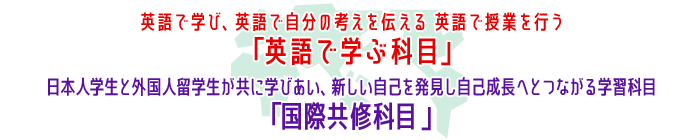
「英語で学ぶ科目」として実施する
受講料
(単位互換履修生は不要)
対象年次
授業定員
単位互換定員
京カレッジ定員
会場
試験・評価方法
Grades will be based on the following:
(1) Class attendance and active participation, 40%
(2) Two reports, 40%
(3) End-of-term paper, 20%
超過時の選考方法
別途負担費用
その他特記事項
この授業の使用言語は【英語】となります。
Classroom: Room 26, North Wing, Yoshida- South Campus, Kyoto University
京都大学吉田キャンパス・吉田南構内・総合館北棟2階 共北26
授業外学修 (予習・復習)等:
Students will be required to submit two reports, one at the beginning and one during the middle of the course. Details about these reports will be provided in class.
Additionally, at the end of the term, students will be required to submit a paper (minimum of 2000 words, printed on A4 sheets) that discusses an aspect of everyday interactions related to the period covered in class. All sources of information (e.g., books, articles, etc.) must be cited appropriately in the paper.
履修要件:特になし
低回生受講推奨科目
講義概要・到達目標
Outline:
Contrary to the common image of anthropology (e.g., studying the ‘strange’ social institutions and practices of ‘exotic’ peoples), an increasing number of studies in this domain have analyzed everyday interactions among ordinary people. One justification for this approach is that it provides an opportunity to study how persons and sociocultural worlds mutually constitute each other. The theory of language socialization, developed from linguistic anthropology, presents a perspective that children do not develop or acquire cognitive abilities during their growth process (as most psychological theories assume), but rather learn to perform situationally appropriate actions by utilizing various semiotic resources, including those beyond language. Building on this perspective, we have systematically investigated the process of language socialization in Japan / among Japanese. This course introduces findings from these studies, which elucidate the process by which children expand their temporal and spatial scope for appropriate behavior within culturally framed interactions. It contributes to deepening our understanding of how the lifeworld characterizing their speech community is produced, maintained, and transformed.
Goal:
In this course, we will develop the above areas of interest by analyzing selected domains of everyday life based on various ethnographic materials. The attendants become able to apply what they have learned to explain the interactions around them.
講義スケジュール
TOPICS
1. Introduction to Linguistic Anthropology (weeks 1)
2. Theory of language socialization (weeks 2)
3. Participation frameworks surrounding "the baby in the tummy" (weeks 3-4)
4. Sharing Attention by Pointing (weeks 5-6)
5. Communication regarding directive sequences (weeks 7-8)
6. Updates of environmental settings through object transfer (weeks 9-10)
7. Moral socialization via emotional vocabulary (weeks 11-12)
8. Organization of attention, affect, and morality through storytelling (week 13-14)
9. Due of End-of -term Paper (week 15)
10. Feedback (week 16)
教科書
参考書
(参考書)
クック峯岸 治子・高田 明 『日本における言語社会化ハンドブック』(ひつじ書房)
ISBN: 9784823410499
For Japanese students, in order to facilitate the active participation in the class, I recommend to read the above book, which is highly relevant to the lecture contents and is written in Japanese.
出願開始
出願終了
承認結果公開日